
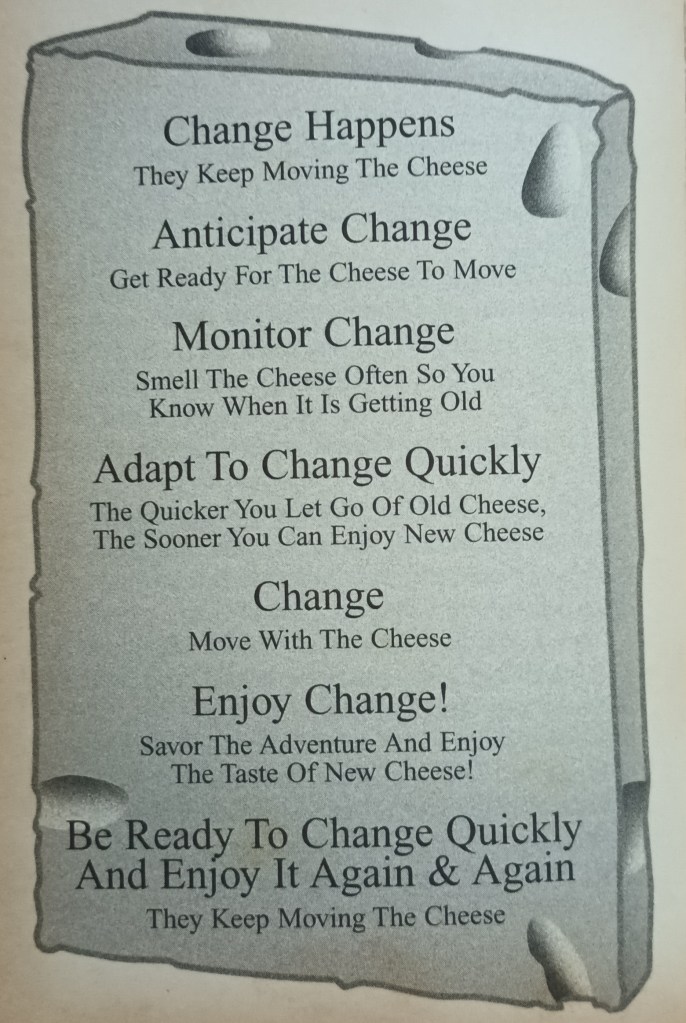
You would learn how to anticipate, adapt to and enjoy change and be ready to change quickly whenever you need to.
What if we choose that we all share the common narrative to find our ways in life to succeed in changing times?
The Book in seven sentences
1. The fear you let build up in your mind is worst than the situation that actually exists.
2. What you are afraid of is never as bad as what you have imagined.
3. The mistakes made in past can be used to plan for the future.
4. Notice the little changes so that you are better prepared for the bigger change that might become.
5. The biggest inhibitor of change lies within yourself.
6. Nothing gets better until you change.
7. There is always new cheese out there.
13 Wisdom Quotes from the book
(“Cheese” being a metaphor for what we want to have in life, whether it is a job, a relationship, money, a big house, freedom, health, recognition, spiritual peace, or even an activity like jogging or golf)
I. “The more important your cheese is to you the more you want to hold on to it.”
II. “If you do not change, you can become extinct.”
III. “What would you do if you weren’t afraid?”
IV. “Smell the cheese often so you know when it is getting old.”
V. “Movement in a new direction helps you find new cheese.”
VI. “When you stop being afraid you feel good!”
VII. “Imagining yourself enjoying your new cheese leads you to it.”
VIII. “The quicker you let go of old cheese, the sooner you find new cheese.”
IX. “It is safer to search in the maze than remain in a cheeseless situation.”
X. “Old beliefs do not lead you to new cheese.”
XI. “When you see that you can find and enjoy new cheese, you change course.”
XII. “Noticing small changes early helps you adapt to the bigger changes that are top come.”
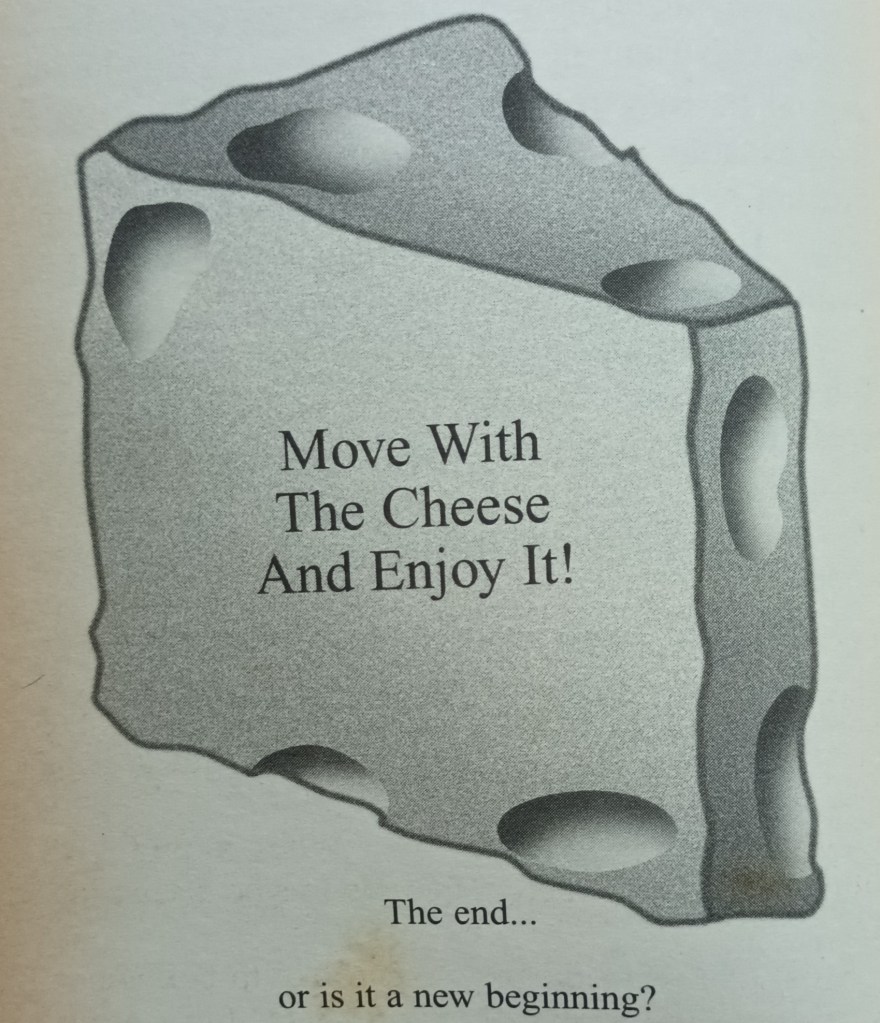
XIII. “Move with the cheese and enjoy it!”
Major teachings from the book: Human behavior needs to be changed.
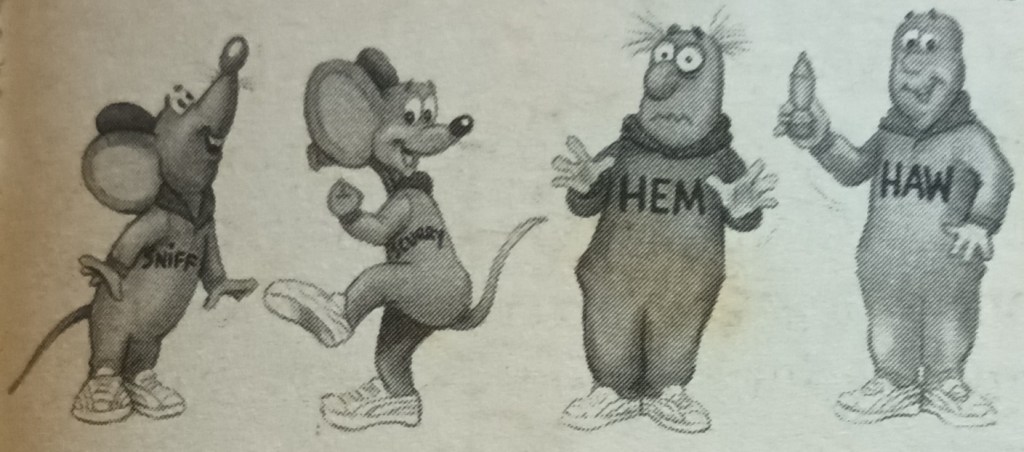
– Complex mind
– Jumping out of routines that are still working.
– Not letting the comfort of achievement go for more.
– Not preparing for the inevitable.
– Criticizing the situations.
– Not adaptable to change.
– Hold on to things important for them.
– Overpowering emotions like; frustration, anger, and blaming.
– Lack of consistency.
– Lack of self-belief.
– High on expectations.
– Don’t make a move until they find themselves losing their edge.
– Keep coming back to the thought of fear.
– Discouraging attitude.
– Fearful beliefs, making them immobilizing.
– Taking a long to accept, move, making a change is not as bad as they fear it might be.
– Reluctant about what is coming
– Don’t trust their basic instincts.
– Prompt disappointment.
– Overlook the power of imagination moreover visualization.
– Get stuck on the thought of what they lose than being bothered about what they gain.
– Want more than they work.
– Manifest stagnation by not wanting to move from the comfort zone.
 Literally You